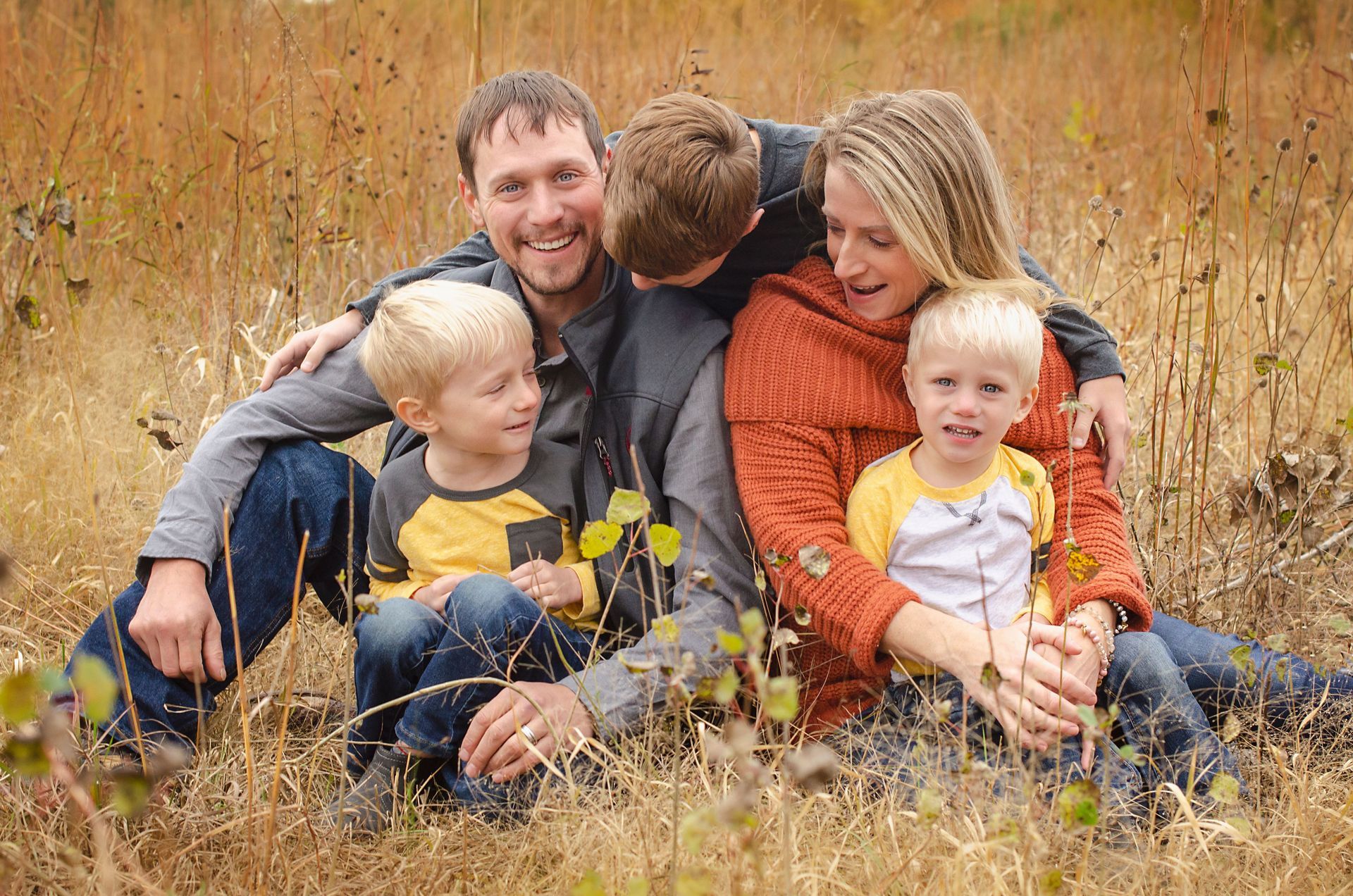
Marriage and Family: Improving Communication
St. Thomas Aquinas, at the start of his mammoth teaching of theology, quotes a pithy phrase that has proved true time and time again: “Grace does not destroy nature, but perfects it” (STh I.1.8.ad2). The God of creation is also the God of redemption. His first work isn’t destroyed by his second work. Creation needs to be perfected, not replaced by something else. So when a husband and wife get married before God and His Church, the sacramental grace they receive does not negate or deny their human nature, but is meant to build upon it and perfect it. The foundation of our humanity, comprising both nature and nurture from childhood to the present, is the stuff of life that God works with in transforming us into better versions of ourselves. If our natural foundation is shaky from unresolved childhood traumas, unhealthy coping mechanisms, and unhelpful relationship dynamics, God obviously has less raw material to work with. To remedy this, He will use our conscience and the words of others to prompt us to seek healing and wholeness for these natural maladies.
The relationship of husbands and wives are the greatest challenge and the greatest joy of married life. It is the key relationship around which everything else hinges. A good marital relationship, built primarily on good communication, overflows into every other part of life. Alternatively, a dysfunctional marital relationship, built on poor communication, poisons everything around it. If communication is key to the flourishing of any relationship, what can be done to improve it in marriage? Before presenting a simple activity that can start getting the conversation going, there are a couple caveats. First, make sure that both parties are interested in having the important conversation and agree to abide by the rules of play. Second, choose a time when emotions and stress are not sky-high so that the possibility of success improves. Third, assume the best about your spouse (you chose them to be yours for some reason, so trust them) and receive their words in that spirit.
The following activity which works on the skills of assertiveness and active listening is deceptively easy. Assertiveness is the ability to express your feelings and ask for what you want in a relationship. Using ‘I’ statements, you politely and positively frame your communication. Active listening is the ability to let your partner know you understand them by restating their message, including both its content and the feelings associated with it. Both these skills are essential to baseline communication without which no relationship can survive. The activity is simply this:
Make a Wish List of things you would like more or less of in your relationship
(Examples: I wish we traveled more often. I would like to spend more time with my brothers. I wish we could disagree without yelling. I want us to have a common discipline strategy for the kids.)
- __________________________________________________________
- __________________________________________________________
- __________________________________________________________
Share your Wish List with your spouse, taking turns to explain the current situation and how you would feel if your wish came true. The Listener repeats and summarizes what they heard, describing the wish AND how your partner would feel if the wish came true. After completing the Exercise, discuss how well you were assertive and how well you listened. Give it a try and let me know how it goes!
-Fr. Stephen
You might also like
Fr Stephen's Blog