Catholic Social Teaching: The Primacy of the Family
After a dry bulletin column on the definition of law that wrapped up a section on the political order, let’s turn to something more familiar: the family. Our modern state has a tendency to view the family as its own creation or a mere social contract. After all, it gives out marriage licenses and ‘dissolves’ bonds through divorce (more on that next week)! But the truth is that the family is a divine institution with a nature and purpose established by God long before any human State existed.
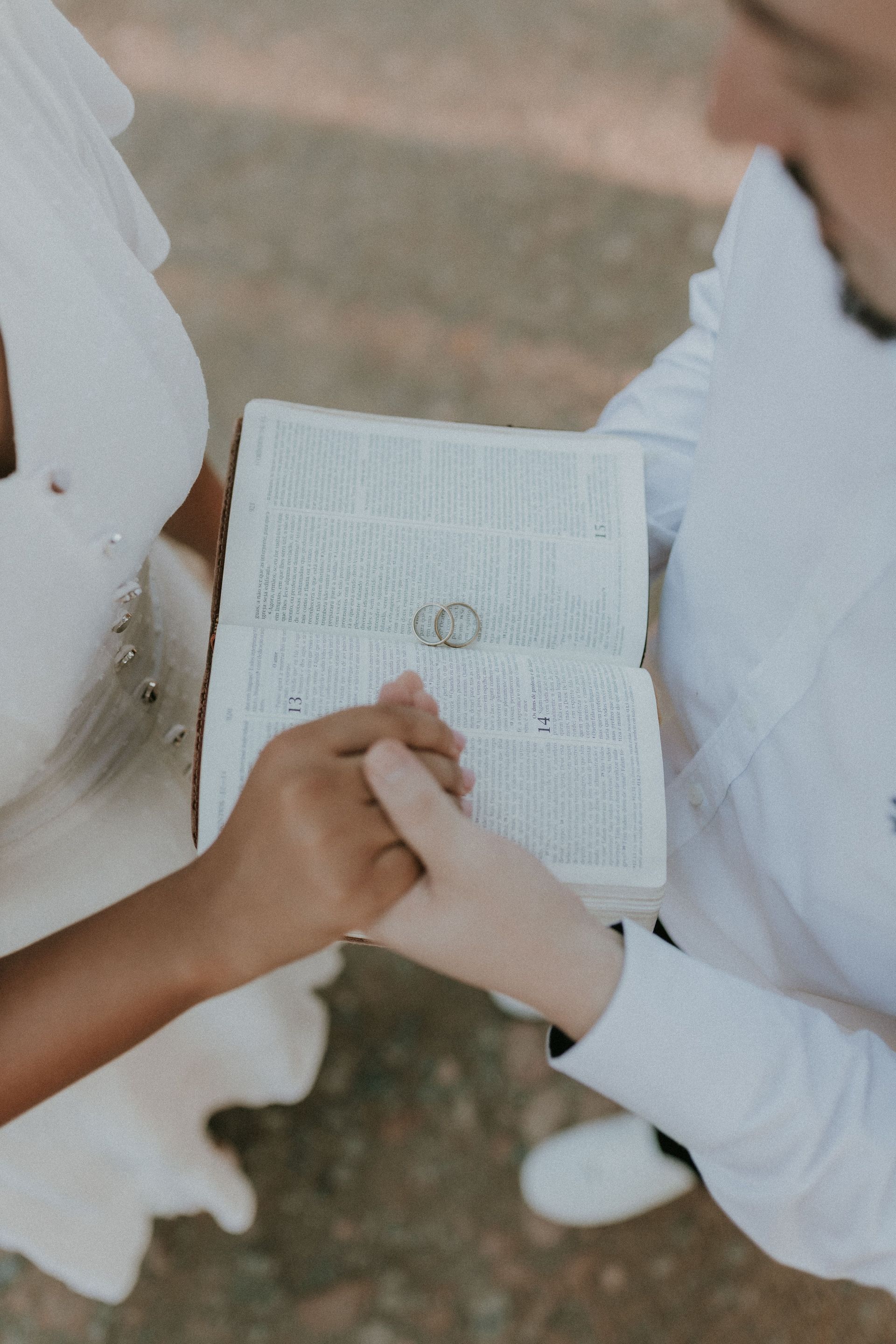
From the beginning of time, God destined us to live in families. “It is not good for the man to be alone,” he said of Adam in Genesis. Eve his helpmate and the children that came from their union revealed something about how God, himself a ‘family’ of sorts in the Trinity, relates to himself and the world. In the fullness of time, God brought his Son into the world to be born into a human family with a mother and a father. At the beginning of Christ’s ministry, he chooses as his first miracle a blessing of wine at a marriage feast, hallowing this bond as a Sacrament capable of giving grace to the spouses. Families are the first place where we discover who we are as persons, always in relation to others (father, mother, brothers, sisters, etc.). While no family perfectly matches the love of the Trinity (and can even fail to do so in disastrous ways), the family is willed by God to serve a beautiful purpose in his saving plan.
Because this is so, the domestic sphere is sacred and must not be disrupted or disturbed without grave cause. The State may give proper aid (subsiduum) under the principle of subsidiarity, stepping in when abuse, neglect, or danger threatens one or more of the members, but it intervenes to stabilize the situation and then return the family to harmony. Families have a right to conduct their business as they see fit, especially when it comes to the education of their children. The family’s right to educate is not a right granted by the State by way of concession; it is inborn from God and holds a serious obligation. As Pope Pius XI gravely remarked in 1929, “The family, then, holds directly from the Creator the duty and the right to educate its offspring; and since this right cannot be cast aside… it has precedence over any right of civil society and of the state, and for this reason no power on earth may infringe upon it.” Education in the truest sense can never be fully outsourced: children require help and instruction for many years in how to grow in virtue and mature as a person, and this can’t be accomplished in the classroom alone. Protecting the family maintains a check on the totalitarianism of the State and ensures that children have guardians who care for them through the most important years of their development.
What this means practically for you parents: you have the responsibility to educate your children in the best way for them, which means that choosing schools, curricula, and formation practices are a serious task. Not everyone has the same financial means or time to do this perfectly, but no matter what education your child receives during the day, you have the task of guiding their development in crucial ways. Know of my prayers in this important work of God!
-Fr. Stephen
You might also like
Fr Stephen's Blog